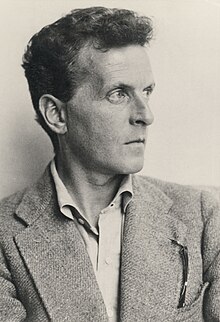
 Ludwig Wittgenstein: Logikai-filozófiai értekezés (TRACTATUS LOGICO-PHILOSOPHICUS)
Barátom, David H. Pinsent emlékének
„és mindazt, mit tud az ember, s nemcsak üres zaj a fülben, három szóban lehet elmondani.” Kürnberger
| 1|2|3|4|5|6 | magyar szöveg |
Tractatus: English text
PhI | Tractatus:



|
|---|---|---|
| 1. | A világ mindaz, aminek esete fennáll.* | The world is everything that is the case.* | ||||||||||||||||||||||||||||||||||||||||||||||||||||||||||||||||||||||||||||||||
| 1.1 | A világ tények és nem dolgok összessége. | The world is the totality of facts, not of things. | ||||||||||||||||||||||||||||||||||||||||||||||||||||||||||||||||||||||||||||||||
| 1.11 | A világot a tények határozzák meg és az, hogy ez az összes tény. | The world is determined by the facts, and by these being all the facts. | ||||||||||||||||||||||||||||||||||||||||||||||||||||||||||||||||||||||||||||||||
| 1.12 | Mert a tények összessége határozza meg azt, minek az esete áll fenn, és úgyszintén mindazt, aminek esete nem áll fenn. | For the totality of facts determines both what is the case, and also all that is not the case. | ||||||||||||||||||||||||||||||||||||||||||||||||||||||||||||||||||||||||||||||||
| 1.13 | A tények a logikai térben — ez a világ. | The facts in logical space are the world. | ||||||||||||||||||||||||||||||||||||||||||||||||||||||||||||||||||||||||||||||||
| 1.2 | A világ tényekre oszlik. | The world divides into facts. | ||||||||||||||||||||||||||||||||||||||||||||||||||||||||||||||||||||||||||||||||
| 1.21 | Vagy fennállhat valaminek az esete, vagy nem állhat fenn, és ugyanakkor minden egyéb marad azonosan. | Any one can either be the case or not be the case, and everything else remain the same. | ||||||||||||||||||||||||||||||||||||||||||||||||||||||||||||||||||||||||||||||||
| 2. | Aminek esete fennáll, a tény, nem más, mint a körülmények megléte. | What is the case, the fact, is the existence of atomic facts. | ||||||||||||||||||||||||||||||||||||||||||||||||||||||||||||||||||||||||||||||||
| 2.01 | A körülmény tárgyak (objektumok, dolgok) kapcsolata. | An atomic fact is a combination of objects (entities, things). | ||||||||||||||||||||||||||||||||||||||||||||||||||||||||||||||||||||||||||||||||
| 2.02 | A tárgy egyszerű. | The object is simple. | ||||||||||||||||||||||||||||||||||||||||||||||||||||||||||||||||||||||||||||||||
| 2.03 | A körülményben a tárgyak úgy kapcsolódnak egymáshoz, mint a láncszemek a láncban. | In the atomic fact objects hang one in another, like the links of a chain. | ||||||||||||||||||||||||||||||||||||||||||||||||||||||||||||||||||||||||||||||||
| 2.04 | A fennálló körülmények összessége a világ. | The totality of existent atomic facts is the world. | ||||||||||||||||||||||||||||||||||||||||||||||||||||||||||||||||||||||||||||||||
| 2.05 | A fennálló körülmények összessége határozza meg azt is, milyen körülmények állanak fenn. | The totality of existent atomic facts also determines which atomic facts do not exist. | ||||||||||||||||||||||||||||||||||||||||||||||||||||||||||||||||||||||||||||||||
| 2.06 | A körülmények fennállása és fenn nem állása a valóság. (A körülmények fennállását pozitív, fenn nem állását pedig negatív ténynek is nevezzük.) | The existence and non-existence of atomic facts is the reality. (The existence of atomic facts we also call a positive fact, their non-existence a negative fact.) | ||||||||||||||||||||||||||||||||||||||||||||||||||||||||||||||||||||||||||||||||
| 2.1 | Mi képeket alkotunk magunknak a tényekről. | We make to ourselves pictures of facts. | ||||||||||||||||||||||||||||||||||||||||||||||||||||||||||||||||||||||||||||||||
| 2.11 | A kép a tényállást, a körülmények fennállását vagy fenn nem állását a logikai térben jeleníti meg. | The picture presents the facts in logical space, the existence and non-existence of atomic facts. | ||||||||||||||||||||||||||||||||||||||||||||||||||||||||||||||||||||||||||||||||
| 2.12 | A kép a valóság modellje. | The picture is a model of reality. | ||||||||||||||||||||||||||||||||||||||||||||||||||||||||||||||||||||||||||||||||
| 2.13 | A tárgyaknak a képben a kép elemei felelnek meg. | To the objects correspond in the picture the elements of the picture. | ||||||||||||||||||||||||||||||||||||||||||||||||||||||||||||||||||||||||||||||||
| 2.14 | A kép nem más, mint elemeinek meghatározott módon való viszonya egymáshoz. | The picture consists in the fact that its elements are combined with one another in a definite way. | ||||||||||||||||||||||||||||||||||||||||||||||||||||||||||||||||||||||||||||||||
| 2.15 | Az, hogy a kép elemei meghatározott viszonyban állnak egymással, azt jeleníti meg, hogy a dolgok így viszonyulnak egymáshoz. A képelemeknek ezt az összefüggését nevezem a kép leképezési formájának. | That the elements of the picture are combined with one another in a definite way, represents that the things are so combined with one another. This connexion of the elements of the picture is called its structure, and the possibility of this structure is called the form of representation of the picture. | ||||||||||||||||||||||||||||||||||||||||||||||||||||||||||||||||||||||||||||||||
| 2.16 | A ténynek ahhoz, hogy kép legyen, kell valami közöset tartalmaznia azzal, amit leképez. | In order to be a picture a fact must have something in common with what it pictures. | ||||||||||||||||||||||||||||||||||||||||||||||||||||||||||||||||||||||||||||||||
| 2.17 | Aminek közösnek kell lennie a képben a valósággal, hogy azt a maga módján — helyesen vagy hamisan — leképezhesse, az nem más, mint a kép leképezési formája. | What the picture must have in common with reality in order to be able to represent it after its manner—rightly or falsely—is its form of representation. | ||||||||||||||||||||||||||||||||||||||||||||||||||||||||||||||||||||||||||||||||
| 2.18 | Aminek minden képben — bármilyen formájú is — közösnek kell lennie a valósággal avégett, hogy azt egyáltalán — akár helyesen, akár hamisan — leképezhesse, az a logikai forma, azaz a valóság formája. | What every picture, of whatever form, must have in common with reality in order to be able to represent it at all—rightly or falsely—is the logical form, that is, the form of reality. | ||||||||||||||||||||||||||||||||||||||||||||||||||||||||||||||||||||||||||||||||
| 2.19 | A logikai kép leképezheti a világot. | The logical picture can depict the world. | ||||||||||||||||||||||||||||||||||||||||||||||||||||||||||||||||||||||||||||||||
| 2.2 | A képben a leképezés logikai formája közös a leképezettel. | The picture has the logical form of representation in common with what it pictures. | ||||||||||||||||||||||||||||||||||||||||||||||||||||||||||||||||||||||||||||||||
| 2.21 | A kép vagy megegyezik a valósággal, vagy nem; helyes vagy helytelen, igaz vagy hamis. | The picture agrees with reality or not; it is right or wrong, true or false. | ||||||||||||||||||||||||||||||||||||||||||||||||||||||||||||||||||||||||||||||||
| 2.22 | A kép — függetlenül igaz vagy hamis voltától — azt ábrázolja, amit ábrázol a leképezési formán keresztül. | The picture represents what it represents, independently of its truth or falsehood, through the form of representation. | ||||||||||||||||||||||||||||||||||||||||||||||||||||||||||||||||||||||||||||||||
| 3. | A tények logikai képe a gondolat. | The logical picture of the facts is the thought. | ||||||||||||||||||||||||||||||||||||||||||||||||||||||||||||||||||||||||||||||||
| 3.01 | Az igaz gondolatok összessége a világ egy képét alkotja. | The totality of true thoughts is a picture of the world. | ||||||||||||||||||||||||||||||||||||||||||||||||||||||||||||||||||||||||||||||||
| 3.02 | A gondolat tartalmazza azon tényállás lehetőségét, amelyet gondol. Ami gondolható, az lehetséges is. | The thought contains the possibility of the state of affairs which it thinks. What is thinkable is also possible. | ||||||||||||||||||||||||||||||||||||||||||||||||||||||||||||||||||||||||||||||||
| 3.03 | Mi nem gondolhatunk el semmi alogikusat, mert ebben az esetben alogikusan kellene gondolkodnunk. | We cannot think anything unlogical, for otherwise we should have to think unlogically. | ||||||||||||||||||||||||||||||||||||||||||||||||||||||||||||||||||||||||||||||||
| 3.04 | Az a priori igaz gondolat az lenne, amelynek lehetősége biztosítaná igazságát. | An a priori true thought would be one whose possibility guaranteed its truth. | ||||||||||||||||||||||||||||||||||||||||||||||||||||||||||||||||||||||||||||||||
| 3.05 | Csak akkor tudhatnánk a priori, hogy egy gondolat igaz, ha magából a gondolatból (az összehasonlítás objektuma nélkül) fel lehetne ismerni igazságát. | Only if we could know a priori that a thought is true if its truth was to be recognized from the thought itself (without an object of comparison). | ||||||||||||||||||||||||||||||||||||||||||||||||||||||||||||||||||||||||||||||||
| 3.1 | A kijelentésben a gondolat érzékileg felfogható módon jut kifejezésre. | In the proposition the thought is expressed perceptibly through the senses. | ||||||||||||||||||||||||||||||||||||||||||||||||||||||||||||||||||||||||||||||||
| 3.11 | A kijelentés érzékileg felfogható jeleit (hang vagy írásjeleket stb.) a lehetséges tényállás vetületeiként használjuk. A vetítési módszer a kijelentés értelmének elgondolása. | We use the sensibly perceptible sign (sound or written sign, etc.) of the proposition as a projection of the possible state of affairs. The method of projection is the thinking of the sense of the proposition. | ||||||||||||||||||||||||||||||||||||||||||||||||||||||||||||||||||||||||||||||||
| 3.12 | A jelet, amelyen keresztül a gondolatot kifejezzük, kijelentésjelnek (Satzzeichen) nevezem. És a kijelentés nem más, mint a kijelentésjel a világhoz való vetületi viszonyában. | The sign through which we express the thought I call the propositional sign. And the proposition is the propositional sign in its projective relation to the world. | ||||||||||||||||||||||||||||||||||||||||||||||||||||||||||||||||||||||||||||||||
| 3.13 | A kijelentéshez hozzátartozik mindaz, ami a vetülethez tartozik, de az, amit vetítünk, már nem. Tehát a vetítettnek lehetősége igen, de maga a vetített nem. Tehát a kijelentés még nem tartalmazza saját értelmét, de tartalmazza a lehetőséget, hogy ezt kifejezze. (A „kijelentés tartalmának” az értelemmel bíró kijelentés tartalmát nevezzük.) A kijelentés tartalmazza értelmének formáját, tartalmát azonban nem. | To the proposition belongs everything which belongs to the projection; but not what is projected. Therefore the possibility of what is projected but not this itself. In the proposition, therefore, its sense is not yet contained, but the possibility of expressing it. (“The content of the proposition” means the content of the significant proposition.) In the proposition the form of its sense is contained, but not its content. | ||||||||||||||||||||||||||||||||||||||||||||||||||||||||||||||||||||||||||||||||
| 3.14 | A kijelentésjel abban áll, hogy benne elemei, a szavak, meghatározott módon viszonyulnak egymáshoz. A kijelentésjel tény. | The propositional sign consists in the fact that its elements, the words, are combined in it in a definite way. The propositional sign is a fact. | ||||||||||||||||||||||||||||||||||||||||||||||||||||||||||||||||||||||||||||||||
| 3.2 | A kijelentésben úgy fejeződhetik ki a gondolat, hogy a gondolat tárgyainak a kijelentésjel elemei felelnek meg. | In propositions thoughts can be so expressed that to the objects of the thoughts correspond the elements of the propositional sign. | ||||||||||||||||||||||||||||||||||||||||||||||||||||||||||||||||||||||||||||||||
| 3.21 | Az egyszerű jelek konfigurációjának a kijelentésjelben megfelel a tárgyak konfigurációja a tényállásban. | To the configuration of the simple signs in the propositional sign corresponds the configuration of the objects in the state of affairs. | ||||||||||||||||||||||||||||||||||||||||||||||||||||||||||||||||||||||||||||||||
| 3.22 | A név a tárgyat képviseli a kijelentésben. | In the proposition the name represents the object. | ||||||||||||||||||||||||||||||||||||||||||||||||||||||||||||||||||||||||||||||||
| 3.23 | Az egyszerű jelek lehetőségének követelménye az értelem meghatározottságának követelménye. | The postulate of the possibility of the simple signs is the postulate of the determinateness of the sense. | ||||||||||||||||||||||||||||||||||||||||||||||||||||||||||||||||||||||||||||||||
| 3.24 | Az a kijelentés, amely egy komplexusról szól, belső viszonyban áll azzal a kijelentéssel, amely e komplexusnak valamely alkotórészéről szól. A komplexust csak leírása útján lehet megadni, e leírás pedig helyes vagy helytelen lehet. Az a kijelentés, amely egy komplexusról szól, nem válik értelmetlenné, ha ez a komplexus nem létezik, hanem egyszerűen hamis lesz. Az, hogy a kijelentés egyik eleme valamely komplexust jelöl, kitűnik azoknak a kijelentéseknek a meghatározatlanságából, amelyekben ez az elem előfordul. Mi tudjuk, hogy az ilyen kijelentés által még nincs minden meghatározva. (Hiszen az általánosság jelölése tartalmaz egy prototípust.) Valamely komplexus szimbólumának egy egyszerű szimbólummá való összevonása meghatározás révén fejezhető ki. | A proposition about a complex stands in internal relation to the proposition about its constituent part. A complex can only be given by its description, and this will either be right or wrong. The proposition in which there is mention of a complex, if this does not exist, becomes not nonsense but simply false. That a propositional element signifies a complex can be seen from an indeterminateness in the propositions in which it occurs. We know that everything is not yet determined by this proposition. (The notation for generality contains a prototype.) The combination of the symbols of a complex in a simple symbol can be expressed by a definition. | ||||||||||||||||||||||||||||||||||||||||||||||||||||||||||||||||||||||||||||||||
| 3.25 | Egy kijelentésnek egy és csak egy teljes elemzése létezik. | There is one and only one complete analysis of the proposition. | ||||||||||||||||||||||||||||||||||||||||||||||||||||||||||||||||||||||||||||||||
| 3.26 | A nevet semmiféle meghatározás által sem lehet továbbelemezni: a név — alapjel. | The name cannot be analysed further by any definition. It is a primitive sign. | ||||||||||||||||||||||||||||||||||||||||||||||||||||||||||||||||||||||||||||||||
| 3.3 | Csak a kijelentésnek van értelme; csak a kijelentés összefüggésében van a névnek jelentése. | Only the proposition has sense; only in the context of a proposition has a name meaning. | ||||||||||||||||||||||||||||||||||||||||||||||||||||||||||||||||||||||||||||||||
| 3.31 | A kijelentés minden olyan részét, amely értelmét jellemzi, kifejezésnek (szimbólumnak) nevezem. (Maga a kijelentés is kifejezés.) Kifejezés mindaz, ami a kijelentés értelme szempontjából lényeges, és ami a kijelentésekben közös lehet. A kifejezés formát és tartalmat jelöl meg. | Every part of a proposition which characterizes its sense I call an expression (a symbol). (The proposition itself is an expression.) Expressions are everything—essential for the sense of the proposition—that propositions can have in common with one another. An expression characterizes a form and a content. | ||||||||||||||||||||||||||||||||||||||||||||||||||||||||||||||||||||||||||||||||
| 3.32 | A jel az, ami érzékileg felfogható a szimbólumból. | The sign is the part of the symbol perceptible by the senses. | ||||||||||||||||||||||||||||||||||||||||||||||||||||||||||||||||||||||||||||||||
| 3.33 | A logikai szintaxisban a jel jelentésének sohasem szabad szerepet játszania. A logikai szintaxisnak felépíthetőnek kell lennie anélkül, hogy a jel jelentéséről szó esnék, nem szabad mást feltételeznie, csak a kifejezések leírását. | In logical syntax the meaning of a sign ought never to play a rôle; it must admit of being established without mention being thereby made of the meaning of a sign; it ought to presuppose only the description of the expressions. | ||||||||||||||||||||||||||||||||||||||||||||||||||||||||||||||||||||||||||||||||
| 3.34 | A kijelentésnek lényegi és véletlen vonásai vannak. Véletlenszerűek azok a vonások, amelyek a kijelentésjel előállításának sajátos módjából származnak. Lényegiek azok, amelyek egymaguk teszik lehetővé, hogy a kijelentés kifejezze értelmét. | A proposition possesses essential and accidental features. Accidental are the features which are due to a particular way of producing the propositional sign. Essential are those which alone enable the proposition to express its sense. | ||||||||||||||||||||||||||||||||||||||||||||||||||||||||||||||||||||||||||||||||
| 3.4 | A kijelentés egy helyet határoz meg a logikai térben. E logikai hely létét egymaga az alkotóelemek létezése, az értelemmel bíró kijelentés létezése biztosítja. | The proposition determines a place in logical space: the existence of this logical place is guaranteed by the existence of the constituent parts alone, by the existence of the significant proposition. | ||||||||||||||||||||||||||||||||||||||||||||||||||||||||||||||||||||||||||||||||
| 3.41 | A kijelentésjel és a logikai koordináták — ezek alkotják a logikai helyet. | The propositional sign and the logical co-ordinates: that is the logical place. | ||||||||||||||||||||||||||||||||||||||||||||||||||||||||||||||||||||||||||||||||
| 3.42 | Habár a kijelentés csak egy helyet határozhat meg a logikai térben, egyben az egész logikai teret is meg kell adnia. (Különben a tagadás, a logikai összeg, a logikai szorzat stb. állandóan új — koordinált — elemeket vezetnének be.) (A kép körüli logikai állványzat határozza meg a logikai teret. A kijelentés az egész logikai teret áthatja.) | Although a proposition may only determine one place in logical space, the whole logical space must already be given by it. (Otherwise denial, the logical sum, the logical product, etc., would always introduce new elements—in co-ordination.) (The logical scaffolding round the picture determines the logical space. The proposition reaches through the whole logical space.) | ||||||||||||||||||||||||||||||||||||||||||||||||||||||||||||||||||||||||||||||||
| 3.5 | Az alkalmazott, a gondolt kijelentésjel a gondolat. | The applied, thought, propositional sign, is the thought. | ||||||||||||||||||||||||||||||||||||||||||||||||||||||||||||||||||||||||||||||||
| 4. | A gondolat értelemmel bíró kijelentés. | The thought is the significant proposition. | ||||||||||||||||||||||||||||||||||||||||||||||||||||||||||||||||||||||||||||||||
| 4.01 | A kijelentés a valóság egy képe. A kijelentés modellje a valóságnak, ahogy azt mi magunknak elgondoljuk. | The proposition is a picture of reality. The proposition is a model of the reality as we think it is. | ||||||||||||||||||||||||||||||||||||||||||||||||||||||||||||||||||||||||||||||||
| 4.02 | Ezt abból látjuk, hogy a kijelentésjel értelmét felfogjuk anélkül, hogy azt nekünk előzőleg megmagyarázták volna. | This we see from the fact that we understand the sense of the propositional sign, without having had it explained to us. | ||||||||||||||||||||||||||||||||||||||||||||||||||||||||||||||||||||||||||||||||
| 4.03 | A kijelentésnek régi kifejezésekkel kell új értelmet közölnie. A kijelentés egy tényállást közöl velünk, tehát lényegi összefüggésben kell állnia e tényállással. És ez az összefüggés éppen abban áll, hogy a kijelentés e tényállás logikai képe. A kijelentés csak annyiban állít valamit, amennyiben kép. | A proposition must communicate a new sense with old words. The proposition communicates to us a state of affairs, therefore it must be essentially connected with the state of affairs. And the connexion is, in fact, that it is its logical picture. The proposition only asserts something, in so far as it is a picture. | ||||||||||||||||||||||||||||||||||||||||||||||||||||||||||||||||||||||||||||||||
| 4.04 | A kijelentésben pontosan annyi megkülönböztethető résznek kell lennie, mint az általa ábrázolt tényállásban. Mindkettőnek ugyanazon logikai (matematikai) sokasággal (Mannigfaltigkeit) kell rendelkeznie. (Lásd Hertz Mechanikáját a dinamikus modellekről.) | In the proposition there must be exactly as many thing distinguishable as there are in the state of affairs, which it represents. They must both possess the same logical (mathematical) multiplicity (cf. Hertz’s Mechanics, on Dynamic Models). | ||||||||||||||||||||||||||||||||||||||||||||||||||||||||||||||||||||||||||||||||
| 4.05 | A valóságot a kijelentéssel hasonlítjuk össze. | Reality is compared with the proposition. | ||||||||||||||||||||||||||||||||||||||||||||||||||||||||||||||||||||||||||||||||
| 4.06 | Csak azáltal lehet igaz vagy hamis a kijelentés, hogy képe a valóságnak. | Propositions can be true or false only by being pictures of the reality. | ||||||||||||||||||||||||||||||||||||||||||||||||||||||||||||||||||||||||||||||||
| 4.1 | A kijelentés a körülmények fennállását vagy fenn nem állását ábrázolja. | A proposition presents the existence and non-existence of atomic facts. | ||||||||||||||||||||||||||||||||||||||||||||||||||||||||||||||||||||||||||||||||
| 4.11 | Az igaz kijelentések összessége az egész természettudomány (vagy a természettudományok összessége). | The totality of true propositions is the total natural science (or the totality of the natural sciences). | ||||||||||||||||||||||||||||||||||||||||||||||||||||||||||||||||||||||||||||||||
| 4.12 | A kijelentés ábrázolhatja az egész valóságot, de nem ábrázolhatja azt, aminek közösnek kell Lennie benne a valósággal, hogy annak ábrázolása lehessen — a logikai formát. Ahhoz, hogy a logikai formát ábrázolhassuk, képesnek kellene lennünk arra, hogy magunkat a kijelentéssel együtt a logikán kívülre, azaz a világon kívülre helyezzük. | Propositions can represent the whole reality, but they cannot represent what they must have in common with reality in order to be able to represent it—the logical form. To be able to represent the logical form, we should have to be able to put ourselves with the propositions outside logic, that is outside the world. | ||||||||||||||||||||||||||||||||||||||||||||||||||||||||||||||||||||||||||||||||
| 4.2 | A kijelentés értelme a körülmények fennállásának és fenn nem állásának lehetőségeivel való megegyezésben, illetve meg nem egyezésében áll. | The sense of a proposition is its agreement and disagreement with the possibilities of the existence and non-existence of the atomic facts. | ||||||||||||||||||||||||||||||||||||||||||||||||||||||||||||||||||||||||||||||||
| 4.21 | A legegyszerűbb kijelentés, az elemi kijelentés, egy körülmény fennállását állítja. | The simplest proposition, the elementary proposition, asserts the existence of an atomic fact. | ||||||||||||||||||||||||||||||||||||||||||||||||||||||||||||||||||||||||||||||||
| 4.22 | Az elemi kijelentés nevekből áll; nevek összefüggése, láncolata. | The elementary proposition consists of names. It is a connexion, a concatenation, of names. | ||||||||||||||||||||||||||||||||||||||||||||||||||||||||||||||||||||||||||||||||
| 4.23 | A név a kijelentésben csak az elemi kijelentés kontextusában fordul elő. | The name occurs in the proposition only in the context of the elementary proposition. | ||||||||||||||||||||||||||||||||||||||||||||||||||||||||||||||||||||||||||||||||
| 4.24 | A nevek az egyszerű szimbólumok; én egyes betűkkel („x”, „у”, „z”) jelzem őket. Az elemi kijelentést a nevek függvényében írom fel, a következő formában: „Fx”, „ϕ(x, у)” stb. Vagy pedig p, q, r betűkkel jelzem. | The names are the simple symbols, I indicate them by single letters (x, y, z). The elementary proposition I write as function of the names, in the form “fx”, “ϕ(x, y)”, etc. Or I indicate it by the letters p, q, r. | ||||||||||||||||||||||||||||||||||||||||||||||||||||||||||||||||||||||||||||||||
| 4.25 | Ha az elemi kijelentés igaz, akkor a körülmény fennáll; ha az elemi kijelentés hamis, úgy a körülmény nem áll fenn. | If the elementary proposition is true, the atomic fact exists; if it is false the atomic fact does not exist. | ||||||||||||||||||||||||||||||||||||||||||||||||||||||||||||||||||||||||||||||||
| 4.26 | Az összes igaz elemi kijelentés megadása teljesen leírja a világot. Teljesen leírja a világot, ha megadjuk az összes elemi kijelentést, s ezenfelül megadjuk azt, melyek közülük az igazak, és melyek a hamisak. | The specification of all true elementary propositions describes the world completely. The world is completely described by the specification of all elementary propositions plus the specification, which of them are true and which false. | ||||||||||||||||||||||||||||||||||||||||||||||||||||||||||||||||||||||||||||||||
| 4.27 | Ami n számú körülmény fennállását, illetve fenn nem állását illeti, ennek [math]\displaystyle{ K_n = \sum_{\nu=0}^n \binom{n}{\nu} }[/math] lehetősége van. A körülmények összes kombinációja fennállhat, más pedig nem állhat fenn. | With regard to the existence of n atomic facts there are possibilities. It is possible for all combinations of atomic facts to exist, and the others not to exist. | ||||||||||||||||||||||||||||||||||||||||||||||||||||||||||||||||||||||||||||||||
| 4.28 | E kombinációknak n elemi kijelentés igazságának — illetve hamisságának — ugyanannyi lehetséges esete felel meg. | To these combinations correspond the same number of possibilities of the truth—and falsehood—of n elementary propositions. | ||||||||||||||||||||||||||||||||||||||||||||||||||||||||||||||||||||||||||||||||
| 4.3 | Az elemi kijelentések igazságlehetőségei a körülmények fennállásának, illetve fenn nem állásának lehetőségeit jelentik. | The truth-possibilities of the elementary propositions mean the possibilities of the existence and non-existence of the atomic facts. | ||||||||||||||||||||||||||||||||||||||||||||||||||||||||||||||||||||||||||||||||
| 4.31 | Az igazságlehetőségeket a következő típusú séma segítségével ábrázolhatjuk („I” jelenti az „igaz”-at, „H” a „hamis”-at. Az elemi kijelentések sora alatti „I”-t és „H”-t tartalmazó sorok könnyen érthető szimbolika segítségével e kijelentések igazságlehetőségeit jelentik):
| The truth-possibilities can be presented by schemata of the following kind (“T” means “true”, “F” “false”. The rows of T’s and F’s under the row of the elementary propositions mean their truth-possibilities in an easily intelligible symbolism).
| ||||||||||||||||||||||||||||||||||||||||||||||||||||||||||||||||||||||||||||||||
| 4.4 | A kijelentés az elemi kijelentések igazságlehetőségeivel való megegyezés, illetve meg nem egyezés kifejezése. | A proposition is the expression of agreement and disagreement with the truth-possibilities of the elementary propositions. | ||||||||||||||||||||||||||||||||||||||||||||||||||||||||||||||||||||||||||||||||
| 4.41 | Az elemi kijelentések igazságlehetőségei a kijelentések igazságának és hamisságának feltételei. | The truth-possibilities of the elementary propositions are the conditions of the truth and falsehood of the propositions. | ||||||||||||||||||||||||||||||||||||||||||||||||||||||||||||||||||||||||||||||||
| 4.42 | Ami valamely kijelentésnek n elemi kijelentés igazságlehetőségeivel való megegyezését, illetve meg nem egyezését illeti, ennek [math]\displaystyle{ \sum_{\kappa=0}^{K_n} \binom{K_n}{\kappa} = L_n }[/math] lehetősége áll fenn. | With regard to the agreement and disagreement of a proposition with the truth-possibilities of n elementary propositions there are [math]\displaystyle{ \sum_{\kappa=0}^{K_n} \binom{K_n}{\kappa} = L_n }[/math] possibilities. | ||||||||||||||||||||||||||||||||||||||||||||||||||||||||||||||||||||||||||||||||
| 4.43 | Az igazságlehetőségekkel való megegyezést úgy fejezhetjük ki, hogy a sémában ezekhez az „I” (igaz) jelzést rendeljük hozzá. E jelzés hiánya a meg nem egyezést jelenti. | Agreement with the truth-possibilities can be expressed by co-ordinating with them in the schema the mark “T” (true). Absence of this mark means disagreement. | ||||||||||||||||||||||||||||||||||||||||||||||||||||||||||||||||||||||||||||||||
| 4.44 | Az „I” jelzésnek és az igazságlehetőségeknek egymáshoz rendeléséből származó jel a kijelentésjel. | The sign which arises from the co-ordination of that mark “T” with the truth-possibilities is a propositional sign. | ||||||||||||||||||||||||||||||||||||||||||||||||||||||||||||||||||||||||||||||||
| 4.45 | n elemi kijelentés esetében a lehetséges igazságfeltétel-csoportok száma Ln. Egy bizonyos számú elemi kijelentés igazságlehetőségeinek megfelelő igazságfeltétel-csoportokat sorba lehet rendezni. | For n elementary propositions there are Ln possible groups of truth-conditions. The groups of truth-conditions which belong to the truth-possibilities of a number of elementary propositions can be ordered in a series. | ||||||||||||||||||||||||||||||||||||||||||||||||||||||||||||||||||||||||||||||||
| 4.46 | Az igazságfeltételek lehetséges csoportjai közt két szélsőséges eset van. Az egyik esetben a kijelentés az elemi kijelentések valamennyi igazságlehetősége esetében igaz. Ilyenkor azt mondjuk, hogy az igazságfeltételek tautologikusak. A másik esetben a kijelentés az összes igazságlehetőség esetében hamis: az igazságfeltételek ellentmondásosak. Az első esetben a kijelentést tautológiának, a második esetben ellentmondásnak nevezzük. | Among the possible groups of truth-conditions there are two extreme cases. In the one case the proposition is true for all the truth-possibilities of the elementary propositions. We say that the truth-conditions are tautological. In the second case the proposition is false for all the truth-possibilities. The truth-conditions are self-contradictory. In the first case we call the proposition a tautology, in the second case a contradiction. | ||||||||||||||||||||||||||||||||||||||||||||||||||||||||||||||||||||||||||||||||
| 4.5 | Most lehetségesnek látszik a legáltalánosabb kijelentésforma megadása: vagyis bármely szimbolikus nyelv összes kijelentésének leírása, mégpedig úgy, hogy minden lehetséges értelem olyan szimbólum által legyen kifejezhető, amelyre ráillik a leírás, és minden egyes szimbólum, amelyre a leírás ráillik, kifejezhessen valamely értelmet, ha a nevek jelentését megfelelő módon választják meg. Nyilvánvaló, hogy a legáltalánosabb kijelentésforma leírásának csak azt szabad leírnia, ami annak lényegéhez tartozik — hiszen másképp nem lenne a legáltalánosabb. Azt, hogy létezik általános kijelentésforma, bizonyítja az a tény, hogy nem lehetséges olyan kijelentés, amelynek formáját ne lehetett volna előrelátni (azaz megszerkeszteni). A kijelentés általános formája a következő: Ez meg ez az eset áll fenn. | Now it appears to be possible to give the most general form of proposition; i.e. to give a description of the propositions of some one sign language, so that every possible sense can be expressed by a symbol, which falls under the description, and so that every symbol which falls under the description can express a sense, if the meanings of the names are chosen accordingly. It is clear that in the description of the most general form of proposition only what is essential to it may be described—otherwise it would not be the most general form. That there is a general form is proved by the fact that there cannot be a proposition whose form could not have been foreseen (i.e. constructed). The general form of proposition is: Such and such is the case. | ||||||||||||||||||||||||||||||||||||||||||||||||||||||||||||||||||||||||||||||||
| 4.51 | Tételezzük fel, hogy adva volna az összes elemi kijelentés. Akkor egyszerűen megkérdezhetnénk: milyen kijelentéseket tudok belőlük felépíteni? És ez lesz az összes kijelentés, és így lesznek elhatárolva egymástól. | Suppose all elementary propositions were given me: then we can simply ask: what propositions I can build out of them. And these are all propositions and so are they limited. | ||||||||||||||||||||||||||||||||||||||||||||||||||||||||||||||||||||||||||||||||
| 4.52 | A kijelentések nem mások, mint mindaz, ami valamennyi elemi kijelentés összességéből következik (természetesen abból is, hogy ez valamennyiük összessége). (így bizonyos értelemben azt mondhatni, hogy valamennyi kijelentés az elemi kijelentések általánosítása.) | The propositions are everything which follows from the totality of all elementary propositions (of course also from the fact that it is the totality of them all). (So, in some sense, one could say, that all propositions are generalizations of the elementary propositions.) | ||||||||||||||||||||||||||||||||||||||||||||||||||||||||||||||||||||||||||||||||
| 4.53 | Az általános kijelentésforma egy változó. | The general propositional form is a variable. | ||||||||||||||||||||||||||||||||||||||||||||||||||||||||||||||||||||||||||||||||
| 5. | Minden kijelentés az elemi kijelentések igazságfüggvénye. (Az elemi kijelentés önmagának igazságfüggvénye.) | Propositions are truth-functions of elementary propositions. (An elementary proposition is a truth-function of itself.) | ||||||||||||||||||||||||||||||||||||||||||||||||||||||||||||||||||||||||||||||||
| 5.01 | Az elemi kijelentések a kijelentések igazságargumentumai. | The elementary propositions are the truth-arguments of propositions. | ||||||||||||||||||||||||||||||||||||||||||||||||||||||||||||||||||||||||||||||||
| 5.02 | Könnyen megtörténik, hogy az ember összetéveszti a függvények argumentumait a nevek indexeivel. Ugyanis az argumentumot, illetve indexet tartalmazó jel jelentését egyaránt az argumentumról, illetve az indexről ismeri fel. Példának okáért a Russell-féle „ +c”-ben a „c” index, amely azt mutatja, hogy az egész jel a kardinális számok közti összeadás jele. De ez a jelölés önkényes megegyezésen alapul, és a „ +c” helyett egy egyszerű jelet is választhatnánk; a „~p”-ben azonban a „p” nem index, hanem argumentum: a értelmét nem lehet megérteni anélkül, hogy a „p” értelmét előzőleg meg ne értettük volna. (A Julius Caesar névben a „Julius” — index. Az index mindig része azon tárgy leírásának, amelynek nevéhez hozzáfűződik. Például: A Caesar a Júliusok nemzetségéből.) A kijelentések és függvények jelentésének Frege által adott elmélete, ha nem tévedek, az argumentum és az index összetévesztésén alapul. Frege a logika kijelentéseit nevekként fogta fel, e kijelentések argumentumait pedig e nevek indexeiként. | It is natural to confuse the arguments of functions with the indices of names. For I recognize the meaning of the sign containing it from the argument just as much as from the index. In Russell’s “+c”, for example, “c” is an index which indicates that the whole sign is the addition sign for cardinal numbers. But this way of symbolizing depends on arbitrary agreement, and one could choose a simple sign instead of “+c”: but in “~p” “p” is not an index but an argument; the sense of “~p” cannot be understood, unless the sense of “p” has previously been understood. (In the name Julius Caesar, Julius is an index. The index is always part of a description of the object to whose name we attach it, e.g. The Caesar of the Julian gens.) The confusion of argument and index is, if I am not mistaken, at the root of Frege’s theory of the meaning of propositions and functions. For Frege the propositions of logic were names and their arguments the indices of these names. | ||||||||||||||||||||||||||||||||||||||||||||||||||||||||||||||||||||||||||||||||
| 5.1 | Az igazságfüggvényeket sorokba lehet rendezni. Ez az alapja a valószínűségelméletnek. | The truth-functions can be ordered in series. That is the foundation of the theory of probability. | ||||||||||||||||||||||||||||||||||||||||||||||||||||||||||||||||||||||||||||||||
| 5.11 | Ha bizonyos számú kijelentés közös igazságalapjai valamennyien egy adott kijelentés igazságalapjait is alkotják, akkor azt mondjuk, hogy e kijelentés igazsága következik az előbbi kijelentések igazságából. | If the truth-grounds which are common to a number of propositions are all also truth-grounds of some one proposition, we say that the truth of this proposition follows from the truth of those propositions. | ||||||||||||||||||||||||||||||||||||||||||||||||||||||||||||||||||||||||||||||||
| 5.12 | Különösképpen akkor következik „p” kijelentés egy másik kijelentés, „q” igazságából, ha az utóbbi összes igazságalapja az előbbinek is igazságalapja. | In particular the truth of a proposition p follows from that of a proposition q, if all the truth-grounds of the second are truth-grounds of the first. | ||||||||||||||||||||||||||||||||||||||||||||||||||||||||||||||||||||||||||||||||
| 5.13 | Az, hogy egy kijelentés igazsága következik más kijelentések igazságából, a kijelentések struktúrájából látható. | That the truth of one proposition follows from the truth of other propositions, we perceive from the structure of the propositions. | ||||||||||||||||||||||||||||||||||||||||||||||||||||||||||||||||||||||||||||||||
| 5.14 | Ha egy kijelentés következik egy másikból, akkor az utóbbi többet mond, mint az előbbi; az előbbi kevesebbet, mint az utóbbi. | If a proposition follows from another, then the latter says more than the former, the former less than the latter. | ||||||||||||||||||||||||||||||||||||||||||||||||||||||||||||||||||||||||||||||||
| 5.15 | Ha „Ir” az „r” kijelentés igazságalapjainak száma, „Irs” pedig az „s” kijelentés azon igazságalapjainak száma, amelyek egyben „r” igazságalapjai is, úgy az Irs: Ir viszonyt az „r” kijelentés által „s” kijelentésnek kölcsönzött valószínűség mértékének nevezzük. | If Tr is the number of the truth-grounds of the proposition “r”, Trs the number of those truth-grounds of the proposition “s” which are at the same time truth-grounds of “r”, then we call the ratio Trs : Tr the measure of the probability which the proposition “r” gives to the proposition “s”. | ||||||||||||||||||||||||||||||||||||||||||||||||||||||||||||||||||||||||||||||||
| 5.2 | A kijelentésstruktúrák belső viszonyban állnak egymással. | The structures of propositions stand to one another in internal relations. | ||||||||||||||||||||||||||||||||||||||||||||||||||||||||||||||||||||||||||||||||
| 5.21 | E belső viszonyokat a mi kifejezésmódunkban úgy domboríthatjuk ki, hogy a kijelentést egy művelet eredményeként ábrázoljuk, amely más kijelentésekből (a művelet bázisaiból) előállítja. | We can bring out these internal relations in our manner of expression, by presenting a proposition as the result of an operation which produces it from other propositions (the bases of the operation). | ||||||||||||||||||||||||||||||||||||||||||||||||||||||||||||||||||||||||||||||||
| 5.22 | A művelet kifejezése azon viszonynak, amely eredményének és bázisainak struktúrái között áll fenn. | The operation is the expression of a relation between the structures of its result and its bases. | ||||||||||||||||||||||||||||||||||||||||||||||||||||||||||||||||||||||||||||||||
| 5.23 | A művelet nem más, mint aminek egy kijelentéssel történnie kell, hogy egy másik kijelentést csináljunk belőle. | The operation is that which must happen to a proposition in order to make another out of it. | ||||||||||||||||||||||||||||||||||||||||||||||||||||||||||||||||||||||||||||||||
| 5.24 | A művelet egy változóban mutatkozik meg; a változó mutatja azt, hogyan juthatunk el a kijelentések egy adott formájától egy másik formájukhoz. Kifejezésre juttatja a formák különbségét. (És az, ami közös a művelet bázisai és eredménye közt, nem más, mint maguk a bázisok.) | An operation shows itself in a variable; it shows how we can proceed from one form of proposition to another. It gives expression to the difference between the forms. (And that which is common to the bases, and the result of an operation, is the bases themselves.) | ||||||||||||||||||||||||||||||||||||||||||||||||||||||||||||||||||||||||||||||||
| 5.25 | Egy művelet előfordulása nem jellemzi a kijelentés értelmét. Hiszen maga a művelet semmit sem állít, csak az eredménye, ez pedig függ a művelet bázisaitól. (Nem szabad összetéveszteni egymással a műveletet és a függvényt.) | The occurrence of an operation does not characterize the sense of a proposition. For an operation does not assert anything; only its result does, and this depends on the bases of the operation. (Operation and function must not be confused with one another.) | ||||||||||||||||||||||||||||||||||||||||||||||||||||||||||||||||||||||||||||||||
| 5.3 | Valamennyi kijelentés az elemi kijelentéseken végzett igazságműveletek eredménye. Az igazságművelet nem más, mint annak útja és módja, ahogy az elemi kijelentésekből az igazságfüggvény létrejön. Az igazságművelet lényegének megfelelően, ahogy az elemi kijelentésekből létrejön azok igazságfüggvénye, ugyanúgy keletkezik az igazságfüggvényekből egy új igazságfüggvény. Minden egyes igazságművelet az elemi kijelentések igazságfüggvényeiből megint az elemi kijelentések egy igazságfüggvényét állítja elő, azaz egy kijelentést. Az elemi kijelentésekkel végzett igazságműveletek eredményeivel végrehajtott bármely igazságmüvelet eredménye tehát az elemi kijelentésekkel végzett egyetlen igazságművelet eredményének is tekinthető. Minden egyes kijelentés az elemi kijelentésekkel végzett igazságmüveletek eredménye. | All propositions are results of truth-operations on the elementary propositions. The truth-operation is the way in which a truth-function arises from elementary propositions. According to the nature of truth-operations, in the same way as out of elementary propositions arise their truth-functions, from truth-functions arises a new one. Every truth-operation creates from truth-functions of elementary propositions another truth-function of elementary propositions, i.e., a proposition. The result of every truth-operation on the results of truth-operations on elementary propositions is also the result of one truth-operation on elementary propositions. Every proposition is the result of truth-operations on elementary propositions. | ||||||||||||||||||||||||||||||||||||||||||||||||||||||||||||||||||||||||||||||||
| 5.31 | A 4.31 alatti sémáknak akkor is van jelentésük, ha „q”, „r” stb. nem elemi kijelentések. És könnyen belátható, hogy a 4.442 alatt található kijelentésjel akkor is az elemi kijelentések egy igazságfüggvényét fejezi ki, ha „p” és „q” elemi kijelentések igazságfüggvényei. | The Schemata No. 4.31 are also significant, if “p”, “q”, “r”, etc. are not elementary propositions. And it is easy to see that the propositional sign in No. 4.442 expresses one truth-function of elementary propositions even when “p” and “q” are truth-functions of elementary propositions. | ||||||||||||||||||||||||||||||||||||||||||||||||||||||||||||||||||||||||||||||||
| 5.32 | Minden igazságfüggvény az igazságműveletek elemi kijelentésekre való véges számú szukcesszív alkalmazásának eredménye. | All truth-functions are results of the successive application of a finite number of truth-operations to elementary propositions. | ||||||||||||||||||||||||||||||||||||||||||||||||||||||||||||||||||||||||||||||||
| 5.4 | Itt mutatkozik meg, hogy „logikai tárgyak”, „logikai konstansok” (a Frege- és Russell-féle értelemben) nincsenek. | Here it becomes clear that there are no such things as “logical objects” or “logical constants” (in the sense of Frege and Russell). | ||||||||||||||||||||||||||||||||||||||||||||||||||||||||||||||||||||||||||||||||
| 5.41 | Mert: az igazságfüggvényekkel végzett igazságmüveletek mindazon eredményei, amelyek az elemi kijelentések egy és ugyanazon igazságfüggvényének felelnek meg, azonosak egymással. | For all those results of truth-operations on truth-functions are identical, which are one and the same truth-function of elementary propositions. | ||||||||||||||||||||||||||||||||||||||||||||||||||||||||||||||||||||||||||||||||
| 5.42 | Nyilvánvaló, hogy a ⋁, ⊃ stb. nem viszonyok abban az értelemben, mint a jobb és a bal stb. Az a körülmény, hogy Frege és Russell logikai „alapjeleit” keresztbe lehet meghatározni, már mutatja, hogy ezek nem alapjelek, s még kevésbé jelölnek viszonyokat. Az pedig nyilvánvaló, hogy az „⊃”, amit a „~” és „⋁” segítségével határozunk meg, azonos azzal, amit a „~”-vel együtt a „⋁” meghatározására használunk, és hogy ez a „⋁” azonos az elsővel. És így tovább. | That ∨, ⊃ etc., are not relations in the sense of right and left, etc., is obvious. The possibility of crosswise definition of the logical “primitive signs” of Frege and Russell shows by itself that these are not primitive signs and that they signify no relations. And it is obvious that the “⊃” which we define by means of “~” and “∨” is identical with that by which we define “∨” with the help of “~”, and that this “∨” is the same as the first, and so on. | ||||||||||||||||||||||||||||||||||||||||||||||||||||||||||||||||||||||||||||||||
| 5.43 | Valóban, eleve alig hihető, hogy egyetlen p tényből végtelen sok más ténynek, mármint ~~p-nek, ~~~~p-nek stb. kell következnie. És nem kevésbé csodálatos, hogy a logika (a matematika) végtelen számú tétele féltucat „alaptörvényből” következik. De a logika valamennyi kijelentése ugyanazt mondja. Mármint semmit. | That from a fact p an infinite number of others should follow, namely ~~p, ~~~~p etc., is indeed hardly to be believed, and it is no less wonderful that the infinite number of propositions of logic (of mathematics) should follow from half a dozen “primitive propositions”. But all propositions of logic say the same thing. That is, nothing. | ||||||||||||||||||||||||||||||||||||||||||||||||||||||||||||||||||||||||||||||||
| 5.44 | Az igazságfüggvények nem materiális függvények. Ha például egy állítás kettős tagadás segítségével állítható elő, akkor tartalmazza-e valamilyen értelemben a tagadást? Tagadja-e a „~~p” ~p-t, avagy állítja p-t, vagy mind a kettő? A „~~p” kijelentés nem szól a tagadásról mint tárgyról, hanem a tagadás lehetősége már eleve el van döntve az állításban. Ha pedig lenne egy olyan tárgy, amelyet „~”-nek hívnak, úgy „~~p”-nek valami mást kellene mondania, mint „p”-nek. Ugyanis ebben az esetben az egyik kijelentés a ~-ről szólna, a másik viszont nem. | Truth-functions are not material functions. If e.g. an affirmation can be produced by repeated denial, is the denial—in any sense—contained in the affirmation? Does “~~p” deny ~p, or does it affirm p; or both? The proposition “~~p” does not treat of denial as an object, but the possibility of denial is already prejudged in affirmation. And if there was an object called “~”, then “~~p” would have to say something other than “p”. For the one proposition would then treat of ~, the other would not. | ||||||||||||||||||||||||||||||||||||||||||||||||||||||||||||||||||||||||||||||||
| 5.45 | Ha vannak logikai alapjelek, akkor egy helyes logikának meg kell világítania ezek kölcsönös helyzetét, és igazolnia kell létüket. A logika alapjelekből való felépítettségének világossá kell válnia. | If there are logical primitive signs a correct logic must make clear their position relative to one another and justify their existence. The construction of logic out of its primitive signs must become clear. | ||||||||||||||||||||||||||||||||||||||||||||||||||||||||||||||||||||||||||||||||
| 5.46 | Ha a logikai jeleket helyesen vezetnénk be, akkor ezáltal már valamennyi kombinációjuk értelmét is bevezetnénk; tehát nemcsak a „p ⋁ q”-t, hanem már a „~(p⋁~q)”-t is stb. stb. S ezáltal már a zárójelek valamennyi lehetséges kombinációjának hatását is bevezettük volna. És ezáltal világossá válnék, hogy a tulajdonképpeni általános alapjeleket nem „p⋁q”, „(∃x)fx” stb. alkotják, hanem e jelek kombinációinak legáltalánosabb formája. | When we have rightly introduced the logical signs, the sense of all their combinations has been already introduced with them: therefore not only “p ∨ q” but also “~(p ∨ ~q)”, etc. etc. We should then already have introduced the effect of all possible combinations of brackets; and it would then have become clear that the proper general primitive signs are not “p ∨ q”, “(∃x) . fx”, etc., but the most general form of their combinations. | ||||||||||||||||||||||||||||||||||||||||||||||||||||||||||||||||||||||||||||||||
| 5.47 | Világos, hogy mindannak, ami valamennyi kijelentés formájáról egyáltalán elmondható, előre és egyszerre elmondhatónak is kell lennie. Mert már az elemi kijelentés tartalmazza az összes logikai műveletet. Ugyanis „Fa” ugyanazt mondja, mint „(∃x).fx.x = a”. Ahol összetétellel találkozunk, ott függvény és argumentum is van, ahol pedig ezek vannak, ott már jelen vannak a logikai konstansok is. Azt mondhatnánk: az egyedüli logikai konstans az, ami közös, természetüknek megfelelően, valamennyi kijelentésben. Ez viszont nem más, mint az általános kijelentésforma. | It is clear that everything which can be said beforehand about the form of all propositions at all can be said on one occasion. For all logical operations are already contained in the elementary proposition. For “fa” says the same as “(∃x) . fx . x = a”. Where there is composition, there is argument and function, and where these are, all logical constants already are. One could say: the one logical constant is that which all propositions, according to their nature, have in common with one another. That however is the general form of proposition. | ||||||||||||||||||||||||||||||||||||||||||||||||||||||||||||||||||||||||||||||||
| 5.5 | Minden egyes igazságfüggvény a (– – – – –I) (ξ, . . . .) művelet elemi kijelentésekre való szukcesszív alkalmazásának eredménye. Ez a művelet tagadja a jobb oldali zárójelben levő összes kijelentést, és én e kijelentések tagadásának nevezem. | Every truth-function is a result of the successive application of the operation (– – – – – T)(ξ, ....) to elementary propositions. This operation denies all the propositions in the right-hand bracket and I call it the negation of these propositions. | ||||||||||||||||||||||||||||||||||||||||||||||||||||||||||||||||||||||||||||||||
| 5.51 | Ha ξ-nek csak egy értéke van, úgy [math]\displaystyle{ ( \bar{\xi} ) }[/math] = ~p (nem-p), ha két értéke, akkor [math]\displaystyle{ ( \bar{\xi} ) }[/math] = ~p.~q (sem p, sem q). | If ξ has only one value, then [math]\displaystyle{ ( \bar{\xi} ) }[/math] = ~p (not p), if it has two values then [math]\displaystyle{ ( \bar{\xi} ) }[/math] = ~p . ~q (neither p nor q). | ||||||||||||||||||||||||||||||||||||||||||||||||||||||||||||||||||||||||||||||||
| 5.52 | Ha ξ értékei megegyeznek valamely fx függvény x összes értéke által meghatározott minden értékével, akkor [math]\displaystyle{ ( \bar{\xi} ) }[/math] = ~(∃x).fx. | If the values of ξ are the total values of a function fx for all values of x, then [math]\displaystyle{ ( \bar{\xi} ) }[/math] = ~(∃x) . fx. | ||||||||||||||||||||||||||||||||||||||||||||||||||||||||||||||||||||||||||||||||
| 5.53 | A tárgyak azonosságát a jel azonosságával fejezem ki, nem pedig azonosságjel segítségével. A tárgyak különbözőségét a jelek különbségével. | Identity of the object I express by identity of the sign and not by means of a sign of identity. Difference of the objects by difference of the signs. | ||||||||||||||||||||||||||||||||||||||||||||||||||||||||||||||||||||||||||||||||
| 6.45 | A világnak sub specie aeterni szemlélete nem más, mint — körülhatárolt — egészként való szemlélete. A világnak körülhatárolt egészként való átérzése a misztikus érzés. | The contemplation of the world sub specie aeterni is its contemplation as a limited whole. The feeling of the world as a limited whole is the mystical feeling. | ||||||||||||||||||||||||||||||||||||||||||||||||||||||||||||||||||||||||||||||||
| 5.54 | Az általános kijelentésformában kijelentés cask igazságműveletek bázisaként fordulhat elő kijelentésben. | In the general propositional form, propositions occur in a proposition only as bases of the truth-operations. | ||||||||||||||||||||||||||||||||||||||||||||||||||||||||||||||||||||||||||||||||
| 5.55 | Most a priori választ kell adnunk az elemi kijelentések összes lehetséges formájára vonatkozó kérdésre. Az elemi kijelentések nevekből állnak. Minthogy azonban a különböző jelentéssel rendelkező nevek számát nem tudjuk megadni, nem tudjuk megadni az elemi kijelentések összetételét sem. | We must now answer a priori the question as to all possible forms of the elementary propositions. The elementary proposition consists of names. Since we cannot give the number of names with different meanings, we cannot give the composition of the elementary proposition. | ||||||||||||||||||||||||||||||||||||||||||||||||||||||||||||||||||||||||||||||||
| 5.6 | Nyelvem határai világom határait jelentik. | The limits of my language mean the limits of my world. | ||||||||||||||||||||||||||||||||||||||||||||||||||||||||||||||||||||||||||||||||
| 5.61 | A logika betölti a világot; a világ határai az ő határai is. Tehát a logikában nem mondhatjuk: ez és ez van a világon, az pedig nincs. Ez ugyanis látszólag feltételezné, hogy kizárunk bizonyos lehetőségeket, és ennek esete nem állhat fenn, mert egyébként a logikának túl kellene jutnia a világ határain — tudniillik, hogy ezeket a határokat a másik oldalról is szemlélhesse. Amit nem tudunk elgondolni, azt nem tudjuk gondolni; tehát mondani sem tudjuk azt, amit nem tudunk elgondolni. | Logic fills the world: the limits of the world are also its limits. We cannot therefore say in logic: This and this there is in the world, that there is not. For that would apparently presuppose that we exclude certain possibilities, and this cannot be the case since otherwise logic must get outside the limits of the world: that is, if it could consider these limits from the other side also. What we cannot think, that we cannot think: we cannot therefore say what we cannot think. | ||||||||||||||||||||||||||||||||||||||||||||||||||||||||||||||||||||||||||||||||
| 5.62 | Ez a megjegyzés a kulcsa azon kérdés eldöntésének, milyen mértékben igazság a szolipszizmus. Ugyanis az, amire a szolipszizmus utal, teljesen helyes, csakhogy ezt nem lehet mondani, hanem ez megmutatkozik. Az, hogy a világ az én világom, abban mutatkozik meg, hogy a nyelv határai (a nyelvé, amelyet egyedül én értek) az én világom határait jelentik. | This remark provides a key to the question, to what extent solipsism is a truth. In fact what solipsism means, is quite correct, only it cannot be said, but it shows itself. That the world is my world, shows itself in the fact that the limits of the language (the language which I understand) mean the limits of my world. | ||||||||||||||||||||||||||||||||||||||||||||||||||||||||||||||||||||||||||||||||
| 5.63 | Én vagyok az én világom. (A mikrokozmosz.) | I am my world. (The microcosm.) | ||||||||||||||||||||||||||||||||||||||||||||||||||||||||||||||||||||||||||||||||
| 5.64 | Itt látszik meg, hogy a szigorúan végigvitt szolipszizmus egybeesik a tiszta realizmussal. A szolipszizmus Én-je kiterjedés nélküli ponttá zsugorodik össze, a hozzá koordinált valóság pedig megmarad. | Here we see that solipsism strictly carried out coincides with pure realism. The I in solipsism shrinks to an extensionless point and there remains the reality co-ordinated with it. | ||||||||||||||||||||||||||||||||||||||||||||||||||||||||||||||||||||||||||||||||
| 6. | Az igazságfüggvény általános formája a következő: [math]\displaystyle{ [ \bar{p}, \bar{\xi}, N (\bar{\xi}) ] }[/math]. Ez a kijelentés általános formája. | The general form of truth-function is: [math]\displaystyle{ [ \bar{p}, \bar{\xi}, N (\bar{\xi}) ] }[/math]. . This is the general form of proposition. | ||||||||||||||||||||||||||||||||||||||||||||||||||||||||||||||||||||||||||||||||
| 6.01 | Tehát az művelet általános formája a következő: [math]\displaystyle{ N' (\bar{\xi}) }[/math] Ez az egyik kijelentésről a másikra való átmenet legáltalánosabb formája. | The general form of the operation is therefore: [math]\displaystyle{ N' (\bar{\xi}) }[/math]. This is the most general form of transition from one proposition to another. | ||||||||||||||||||||||||||||||||||||||||||||||||||||||||||||||||||||||||||||||||
| 6.02 | És így jutunk el a számokhoz: Meghatározom:
[math]\displaystyle{ x = \Omega^{0 \prime} x \text{ Def.} }[/math] és [math]\displaystyle{ \Omega^{\prime} \Omega^{\nu \prime} x = \Omega^{\nu + 1 \prime} x \text{ Def.} }[/math] E szimbolikai szabálynak megfelelően az [math]\displaystyle{ x, \Omega ' x, \Omega ' \Omega ' x, \Omega ' \Omega ' \Omega ' x, ..... }[/math] sort így írhatjuk: [math]\displaystyle{ \Omega^{0 \prime} x, \Omega^{0+1 \prime} x, \Omega^{0 + 1 + 1 \prime} x, \Omega^{0 + 1 + 1 + 1 \prime} x, ..... }[/math] Tehát „[math]\displaystyle{ [ x, \xi, \Omega ' \xi ] }[/math]” helyett ezt írom: „[math]\displaystyle{ [ \Omega^{0 \prime} x, \Omega^{ \nu \prime} x, \Omega^{ \nu + 1 \prime} x ] }[/math]” És meghatározom: 0 + 1 = 1 Def. 0 + 1 + 1 = 2 Def. 0 + 1 + 1 + 1 = 3 Def. stb. | And thus we come to numbers: I define
[math]\displaystyle{ x = \Omega^{0 \prime} x \text{ Def.} }[/math]
and
According, then, to these symbolic rules we write the series [math]\displaystyle{ x, \Omega ' x, \Omega ' \Omega ' x, \Omega ' \Omega ' \Omega ' x, ..... }[/math] as: [math]\displaystyle{ \Omega^{0 \prime} x, \Omega^{0+1 \prime} x, \Omega^{0 + 1 + 1 \prime} x, \Omega^{0 + 1 + 1 + 1 \prime} x, ..... }[/math] Therefore I write in place of “ [math]\displaystyle{ [ x, \xi, \Omega ' \xi ] }[/math] ”, “ [math]\displaystyle{ [ \Omega^{0 \prime} x, \Omega^{ \nu \prime} x, \Omega^{ \nu + 1 \prime} x ] }[/math] ”. And I define: [math]\displaystyle{ 0 + 1 = 1 \text{ Def.} }[/math] [math]\displaystyle{ 0 + 1 + 1 = 2 \text{ Def.} }[/math] [math]\displaystyle{ 0 + 1 + 1 + 1 = 3 \text{ Def.} }[/math] (and so on.) | ||||||||||||||||||||||||||||||||||||||||||||||||||||||||||||||||||||||||||||||||
| 6.03 | Az egész szám általános formája a következő: [0, ξ, ξ + 1]. | The general form of the cardinal number is: [0, ξ, ξ + 1]. | ||||||||||||||||||||||||||||||||||||||||||||||||||||||||||||||||||||||||||||||||
| 6.1 | A logika kijelentései tautológiák. | The propositions of logic are tautologies. | ||||||||||||||||||||||||||||||||||||||||||||||||||||||||||||||||||||||||||||||||
| 6.11 | Tehát a logika kijelentései semmit sem mondanak. (Ezek az analitikus kijelentések.) | The propositions of logic therefore say nothing. (They are the analytical propositions.) | ||||||||||||||||||||||||||||||||||||||||||||||||||||||||||||||||||||||||||||||||
| 6.12 | Az a körülmény, hogy a logika kijelentései tautológiák, a nyelv, a világ formális logikai tulajdonságait mutatja. Az, hogy alkotórészei így összekötve tautológiát eredményeznek, jellemzi alkotórészeinek logikáját. Ahhoz, hogy bizonyos módon összekapcsolt kijelentések tautológiát eredményezzenek, bizonyos strukturális tulajdonságokkal kell rendelkezniök. Az, hogy így összekötve tautológiát eredményeznek, mutatja tehát, hogy valóban rendelkeznek ezekkel a strukturális tulajdonságokkal. | The fact that the propositions of logic are tautologies shows the formal—logical—properties of language, of the world. That its constituent parts connected together in this way give a tautology characterizes the logic of its constituent parts. In order that propositions connected together in a definite way may give a tautology they must have definite properties of structure. That they give a tautology when so connected shows therefore that they possess these properties of structure. | ||||||||||||||||||||||||||||||||||||||||||||||||||||||||||||||||||||||||||||||||
| 6.13 | A logika nem tan, hanem a világ tükörképe. A logika transzcendentális. | Logic is not a theory but a reflexion of the world. Logic is transcendental. | ||||||||||||||||||||||||||||||||||||||||||||||||||||||||||||||||||||||||||||||||
| 6.2 | A matematika egy logikai módszer. A matematika kijelentései egyenletek, tehát látszatkijelentések. | Mathematics is a logical method. The propositions of mathematics are equations, and therefore pseudo-propositions. | ||||||||||||||||||||||||||||||||||||||||||||||||||||||||||||||||||||||||||||||||
| 6.21 | A matematikai kijelentés nem fejez ki gondolatot. | Mathematical propositions express no thoughts. | ||||||||||||||||||||||||||||||||||||||||||||||||||||||||||||||||||||||||||||||||
| 6.22 | A világ logikáját, amelyet a logika kijelentései a tautológiákban mutatnak meg, a matematika az egyenletekben mutatja meg. | The logic of the world which the propositions of logic show in tautologies, mathematics shows in equations. | ||||||||||||||||||||||||||||||||||||||||||||||||||||||||||||||||||||||||||||||||
| 6.23 | Ha két kifejezést egyenlőségjel kapcsol össze, akkor ez annyit jelent, hogy egymással helyettesíthetők. Annak azonban, hogy valóban fennáll-e ez az eset, magán a két kifejezésen kell megmutatkoznia. Két kifejezés logikai formáját jellemzi, hogy egymással helyettesíthetők. | If two expressions are connected by the sign of equality, this means that they can be substituted for one another. But whether this is the case must show itself in the two expressions themselves. It characterizes the logical form of two expressions, that they can be substituted for one another. | ||||||||||||||||||||||||||||||||||||||||||||||||||||||||||||||||||||||||||||||||
| 6.24 | A helyettesítés módszere az, melynek segítségével a matematika eljut egyenleteihez. Mert az egyenletek két kifejezés helyettesíthetőségét fejezik ki, és úgy haladunk bizonyos számú egyenlettől új egyenletek felé, hogy egyes kifejezéseket — az egyenleteknek megfelelően — más kifejezésekkel helyettesítünk. | The method by which mathematics arrives at its equations is the method of substitution. For equations express the substitutability of two expressions, and we proceed from a number of equations to new equations, replacing expressions by others in accordance with the equations. | ||||||||||||||||||||||||||||||||||||||||||||||||||||||||||||||||||||||||||||||||
| 6.3 | A logika vizsgálata minden törvényszerűség vizsgálatára kiterjed. És a logikán kívül minden véletlen. | Logical research means the investigation of all regularity. And outside logic all is accident. | ||||||||||||||||||||||||||||||||||||||||||||||||||||||||||||||||||||||||||||||||
| 6.31 | Az ún. indukció törvénye semmiképpen sem lehet logikai törvény, mert nyilvánvalóan értelemmel bíró kijelentés. — És ezért nem lehet a priori törvény sem. | The so-called law of induction cannot in any case be a logical law, for it is obviously a significant proposition.—And therefore it cannot be a law a priori either. | ||||||||||||||||||||||||||||||||||||||||||||||||||||||||||||||||||||||||||||||||
| 6.32 | Az okság törvénye nem törvény, hanem egy törvény formája.* | The law of causality is not a law but the form of a law. | ||||||||||||||||||||||||||||||||||||||||||||||||||||||||||||||||||||||||||||||||
| 6.33 | Mi nem hiszünk a priori egy megmaradástörvényben, hanem a priori tudjuk egy logikai forma lehetőségét. | We do not believe a priori in a law of conservation, but we know a priori the possibility of a logical form. | ||||||||||||||||||||||||||||||||||||||||||||||||||||||||||||||||||||||||||||||||
| 6.34 | Minden olyan tétel, mint az elégséges alap, a természetbeni folytonosság, a természetbeni ökonómia tétele stb. stb. — mindezek a priori betekintések a tudomány kijelentéseinek lehetséges formaadásába. | All propositions, such as the law of causation, the law of continuity in nature, the law of least expenditure in nature, etc. etc., all these are a priori intuitions of possible forms of the propositions of science. | ||||||||||||||||||||||||||||||||||||||||||||||||||||||||||||||||||||||||||||||||
| 6.35 | Habár a mi képünkön a foltok geometriai alakzatok, mégis nyilvánvaló, hogy a geometria semmit sem mond tényleges formájukról és helyzetükről. A háló azonban teljesen geometriai, minden tulajdonsága a priori megadható. Az olyan törvények, mint az elégséges alap elve stb., a hálóról szólnak, és nem arról, amit a háló leír. | Although the spots in our picture are geometrical figures, geometry can obviously say nothing about their actual form and position. But the network is purely geometrical, and all its properties can be given a priori. Laws, like the law of causation, etc., treat of the network and not of what the network describes. | ||||||||||||||||||||||||||||||||||||||||||||||||||||||||||||||||||||||||||||||||
| 6.36 | Ha lenne egy oksági törvény, így hangzana: „Vannak természettörvények.” Ezt azonban, természetesen, nem mondhatjuk: ez megmutatkozik. | If there were a law of causality, it might run: “There are natural laws”. But that can clearly not be said: it shows itself. | ||||||||||||||||||||||||||||||||||||||||||||||||||||||||||||||||||||||||||||||||
| 6.37 | Nem kényszeríti semmi, hogy az egyik dolognak meg kell történnie, mert egy másik már megtörtént. Csak logikai szükségszerűség létezik. | A necessity for one thing to happen because another has happened does not exist. There is only logical necessity. | ||||||||||||||||||||||||||||||||||||||||||||||||||||||||||||||||||||||||||||||||
| 6.4 | Minden kijelentés egyenértékű. | All propositions are of equal value. | ||||||||||||||||||||||||||||||||||||||||||||||||||||||||||||||||||||||||||||||||
| 6.41 | A világ értelmének a világon kívül kell lennie. A világban minden úgy van, ahogy van, és minden úgy történik, ahogy történik; benne nincs semmiféle érték, és ha lenne is, nem lenne semi értéke. Ha van érték, melynek értéke van, akkor ennek minden történésen és így-léten kívül kell lennie. Mert minden történés és így-lét véletlenszerű. Ami nem-véletlenszerűvé teszi, az nem lehet a világban, mert másképpen ismét véletlenszerű lenne. A világon kívül kell lennie. | The sense of the world must lie outside the world. In the world everything is as it is and happens as it does happen. In it there is no value—and if there were, it would be of no value. If there is a value which is of value, it must lie outside all happening and being-so. For all happening and being-so is accidental. What makes it non-accidental cannot lie in the world, for otherwise this would again be accidental. It must lie outside the world. | ||||||||||||||||||||||||||||||||||||||||||||||||||||||||||||||||||||||||||||||||
| 6.42 | Ezért nem létezhetnek etikai kijelentések. Kijelentések nem fejezhetnek ki semmi Magasabbat. | Hence also there can be no ethical propositions. Propositions cannot express anything higher. | ||||||||||||||||||||||||||||||||||||||||||||||||||||||||||||||||||||||||||||||||
| 6.43 | Ha a jó- vagy rosszakarat megváltoztatja a világot, akkor csak a világ határait változtathatja meg, nem a tényeket; nem azt, amit a nyelv által ki lehet fejezni. Röviden, akkor ezáltal a világnak általában egészen mássá kell válnia. Mint egésznek kell, úgyszólván, csökkennie vagy növekednie. A boldogság világa más, mint a boldogtalanságé. | If good or bad willing changes the world, it can only change the limits of the world, not the facts; not the things that can be expressed in language. In brief, the world must thereby become quite another. It must so to speak wax or wane as a whole. The world of the happy is quite another than that of the unhappy. | ||||||||||||||||||||||||||||||||||||||||||||||||||||||||||||||||||||||||||||||||
| 6.44 | Nem az a misztikum, hogy milyen a világ, hanem az, hogy van. | Not how the world is, is the mystical, but that it is. | ||||||||||||||||||||||||||||||||||||||||||||||||||||||||||||||||||||||||||||||||
| 6.5 | Egy olyan felelethez, amelyet nem lehet kimondani, nem lehet kimondani a kérdést sem. A rejtély nem létezik. Ha egy kérdést egyáltalán fel lehet tenni, akkor meg is lehet válaszolni azt. | For an answer which cannot be expressed the question too cannot be expressed. The riddle does not exist. If a question can be put at all, then it can also be answered. | ||||||||||||||||||||||||||||||||||||||||||||||||||||||||||||||||||||||||||||||||
| 6.51 | A szkepticizmus nem megcáfolhatatlan, hanem nyilvánvalóan értelmetlen, mert kétkedni akar ott, ahol nem kétkedhetünk. Mert kétely csak ott merülhet fel, ahol van valamiféle kérdés; kérdés pedig csak ott, ahol van felelet, és ez utóbbi csak ott, ahol valamit mondani lehet. | Scepticism is not irrefutable, but palpably senseless, if it would doubt where a question cannot be asked. For doubt can only exist where there is a question; a question only where there is an answer, and this only where something can be said. | ||||||||||||||||||||||||||||||||||||||||||||||||||||||||||||||||||||||||||||||||
| 6.52 | Érezzük, hogy még ha feleletet is adtunk valamennyi lehetséges tudományos kérdésre, életproblémáinkat ezzel még egyáltalán nem érintettük. Akkor persze nem marad egyetlen további kérdés sem, és éppen ez a válasz. | We feel that even if all possible scientific questions be answered, the problems of life have still not been touched at all. Of course there is then no question left, and just this is the answer. | ||||||||||||||||||||||||||||||||||||||||||||||||||||||||||||||||||||||||||||||||
| 6.53 | A filozófia helyes módszere a következő lenne: Semmit sem mondani, csak amit mondani lehet, tehát a természettudomány tételeit — tehát valami olyat, aminek semmi köze a filozófiához, és valahányszor másvalaki valami metafizikait akarna mondani, bebizonyítani neki, hogy a kijelentéseiben szereplő jelek némelyikéhez nem fűzött jelentést. E másvalaki számára e módszer nem lenne kielégítő — nem érezné, hogy filozófiát tanítunk neki —, de csakis ez lenne az egyedüli szigorúan helyes módszer. | The right method of philosophy would be this. To say nothing except what can be said, i.e. the propositions of natural science, i.e. something that has nothing to do with philosophy: and then always, when someone else wished to say something metaphysical, to demonstrate to him that he had given no meaning to certain signs in his propositions. This method would be unsatisfying to the other—he would not have the feeling that we were teaching him philosophy—but it would be the only strictly correct method. | ||||||||||||||||||||||||||||||||||||||||||||||||||||||||||||||||||||||||||||||||
| 6.54 | Az én kijelentéseim oly módon nyújtanak magyarázatot, hogy aki megért engem, végül felismeri azt, hogy értelmetlenek, ha már fellépvén rájuk túllépett rajtuk. (Úgyszólván el kell hajítania a létrát, miután felmászott rajta.) Meg kell haladnia ezeket a tételeket, akkor látja helyesen a világot. | My propositions are elucidatory in this way: he who understands me finally recognizes them as senseless, when he has climbed out through them, on them, over them. (He must so to speak throw away the ladder, after he has climbed up on it.) He must surmount these propositions; then he sees the world rightly. | ||||||||||||||||||||||||||||||||||||||||||||||||||||||||||||||||||||||||||||||||
| 7. | Amiről nem lehet beszélni, arról hallgatni kell. | Whereof one cannot speak, thereof one must be silent. |